Andy Burnham, the Headlines and the Reality: How a Prime Ministerial Challenge Would Actually Work
The speculation begins
The latest political headlines have been full of speculation around Andy Burnham and whether his return to Parliament could somehow put him on a path towards becoming Prime Minister.
The media loves a dramatic storyline:
“Burnham returns to take on Starmer.”
“Leadership challenge looming.”
“Labour civil war begins.”
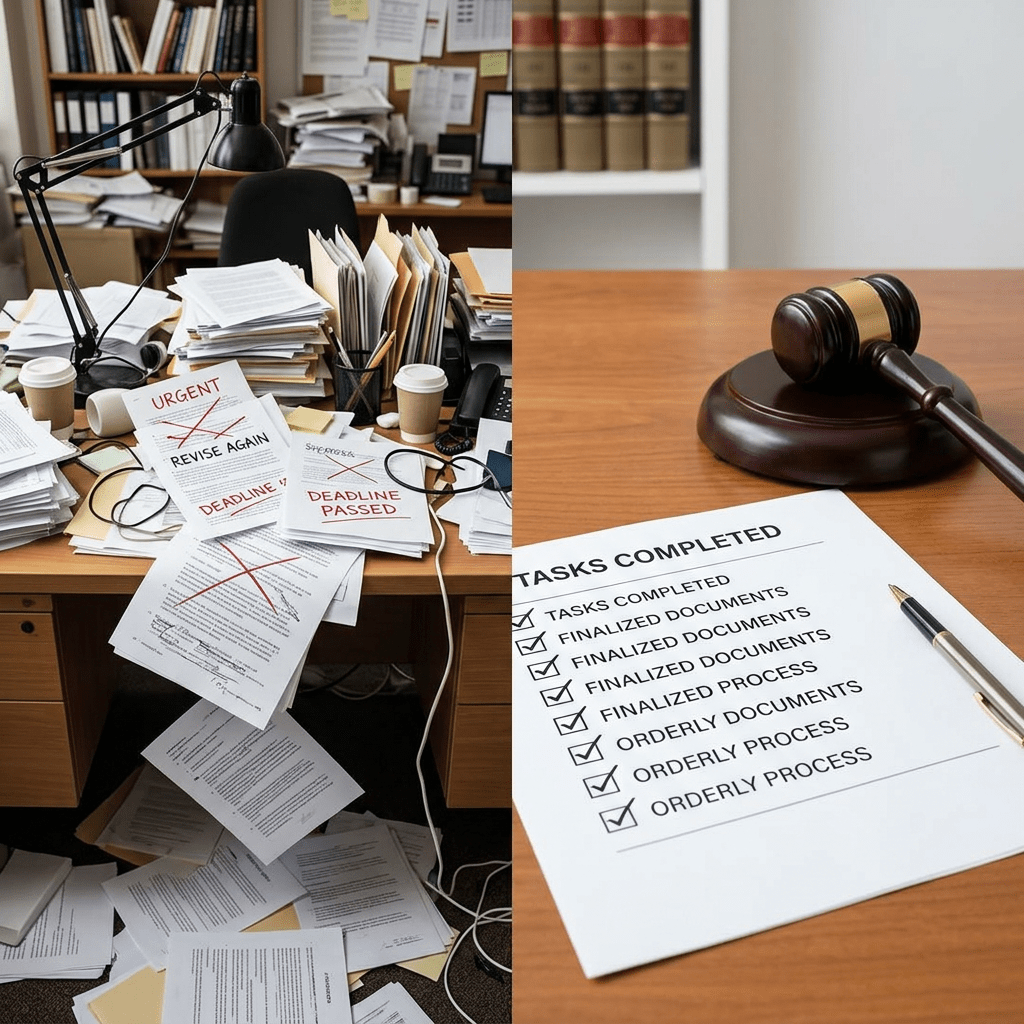
These headlines attract attention, but the reality of British politics is far more complicated than the impression they often create.
A politician becoming an MP does not automatically mean a leadership challenge is underway. There is no simple mechanism where someone enters Parliament one day and challenges the Prime Minister the next.
So how would a leadership challenge actually happen?
The first step would be becoming a sitting MP.
Under Labour’s rules, anyone seeking the party leadership must be an MP. Returning to the House of Commons would make Andy Burnham eligible to stand — but eligibility is only the beginning.
The next stage would be political support.
A leadership contest would normally require either a vacancy in the leadership or a serious loss of confidence among Labour MPs. A challenger would need to gain enough backing from colleagues before a contest could even take place.
This is where the reality differs from the headlines.
A few newspaper stories suggesting a rivalry do not create a leadership election. It requires MPs, party structures and ultimately party members to take part in a formal process.
The role of Labour members
If a leadership contest happened and more than one candidate reached the required stage, Labour members would have their say through a vote.
The winner would become Labour leader.
If Labour were the governing party at the time, the new leader would normally become Prime Minister because of the UK’s parliamentary system.
The public does not directly elect the Prime Minister. The Prime Minister is the person who can command the confidence of the House of Commons.
Headlines versus reality
This is where modern political reporting often becomes more dramatic than the actual process.
A politician returning to Westminster is easily turned into a political drama. A normal democratic development becomes a story of rebellion, conflict and a battle for power.
“Senior politician returns to Parliament” is not as attention-grabbing as:
“New challenger emerges to overthrow the Prime Minister.”
The media cycle often rewards conflict and speculation.
That does not mean political ambition is not real. Senior politicians naturally have ideas about the future direction of their party, and internal debate is part of any healthy democracy.
But there is a difference between a politician having a possible route to leadership and an immediate attempt to remove a Prime Minister.
The real question
Andy Burnham’s return to Parliament, if it happens, would simply place him back into the political arena.
What happens after that would depend on many things:
- Support from fellow MPs
- The views of Labour members
- Public opinion
- Political events
- The performance of the government
The headlines may suggest a political earthquake.
The reality is much simpler: a politician entering Parliament and the normal democratic processes beginning.
The real question is not whether someone can challenge a Prime Minister.
The question is whether they can persuade their own party — and eventually the country — that they should lead.Andy Burnham, the Headlines and the Reality: How a Prime Ministerial Challenge Would Actually Work
The speculation begins
The latest political headlines have been full of speculation around Andy Burnham and whether his return to Parliament could somehow put him on a path towards becoming Prime Minister.
The media loves a dramatic storyline:
“Burnham returns to take on Starmer.”
“Leadership challenge looming.”
“Labour civil war begins.”
These headlines attract attention, but the reality of British politics is far more complicated than the impression they often create.
A politician becoming an MP does not automatically mean a leadership challenge is underway. There is no simple mechanism where someone enters Parliament one day and challenges the Prime Minister the next.
So how would a leadership challenge actually happen?
The first step would be becoming a sitting MP.
Under Labour’s rules, anyone seeking the party leadership must be an MP. Returning to the House of Commons would make Andy Burnham eligible to stand — but eligibility is only the beginning.
The next stage would be political support.
A leadership contest would normally require either a vacancy in the leadership or a serious loss of confidence among Labour MPs. A challenger would need to gain enough backing from colleagues before a contest could even take place.
This is where the reality differs from the headlines.
A few newspaper stories suggesting a rivalry do not create a leadership election. It requires MPs, party structures and ultimately party members to take part in a formal process.
The role of Labour members
If a leadership contest happened and more than one candidate reached the required stage, Labour members would have their say through a vote.
The winner would become Labour leader.
If Labour were the governing party at the time, the new leader would normally become Prime Minister because of the UK’s parliamentary system.
The public does not directly elect the Prime Minister. The Prime Minister is the person who can command the confidence of the House of Commons.
Headlines versus reality
This is where modern political reporting often becomes more dramatic than the actual process.
A politician returning to Westminster is easily turned into a political drama. A normal democratic development becomes a story of rebellion, conflict and a battle for power.
“Senior politician returns to Parliament” is not as attention-grabbing as:
“New challenger emerges to overthrow the Prime Minister.”
The media cycle often rewards conflict and speculation.
That does not mean political ambition is not real. Senior politicians naturally have ideas about the future direction of their party, and internal debate is part of any healthy democracy.
But there is a difference between a politician having a possible route to leadership and an immediate attempt to remove a Prime Minister.
The real question
Andy Burnham’s return to Parliament, if it happens, would simply place him back into the political arena.
What happens after that would depend on many things:
- Support from fellow MPs
- The views of Labour members
- Public opinion
- Political events
- The performance of the government
The headlines may suggest a political earthquake.
The reality is much simpler: a politician entering Parliament and the normal democratic processes beginning.
The real question is not whether someone can challenge a Prime Minister.
The question is whether they can persuade their own party — and eventually the country — that they should lead.


Leave a Reply